

Our Mission is to practice high quality medicine, maximize the gifts of our team, and give excellent service to enhance the relationship between you and your pet.
Monday, June 3, 2013
National Pet Preparedness Month
This month is National Pet Preparedness Month. In order to be sure your pet is prepared for a disaster, make sure your safety kit includes food, water, leash and collar, bowls, pet ID, medications, immunization records, pet carrier, first aid kit, and a contact list for all pet emergency contacts.


Thursday, May 30, 2013
What would you do if…
...your dog ate the bag of semi-sweet chocolate chips that was left out on the kitchen counter?
...your cat had a seizure right in front of you?
...your dog fell down the stairs and started limping?
...your cat was overheating on a hot summer day?
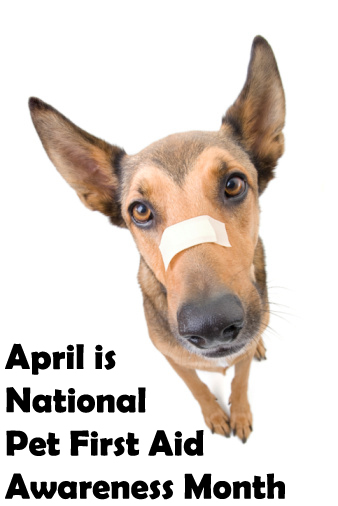
To avoid the feelings of panic that may accompany these situations, we recommend the following steps to better prepare you for a pet medical emergency. The following links summarize the basics you need for giving first aid care to your pet.
Always remember that any first aid administered to
your pet should be followed by immediate veterinary care. First aid care is not
a substitute for veterinary care, but it may save your pet's life until it
receives veterinary treatment.
First
aid suppliesOur handy checklist tells you all the supplies you should have on hand for pet first aid. Print out a copy to use for shopping, and keep a copy on your refrigerator or next to the first aid kit for your family, for quick reference in emergencies.
How to handle an injured pet
Knowing how to comfort an injured pet can help minimize your pet's anxiety and also protect you and your family from injury.
Basic pet first aid procedures
Read our simple instructions for providing emergency first aid if your pet is suffering from poisoning, seizures, broken bones, bleeding, burns, shock, heatstroke, choking or other urgent medical problems. Print out a copy to keep with your pet emergency kit.
First aid when traveling with your pet
A few simple steps can better prepare you to help your pet in first aid situations while you are traveling. Remember: pet medical emergencies don't just happen at home.
Pets and disasters
Whether confronted by natural disasters such as hurricanes, or unexpected catastrophes such as a house fire, you need to be prepared to take care of your animals. A pre-determined disaster plan will help you remain calm and think clearly.
Additional pet first aid links
- American Animal Hospital Association (AAHA)/Healthy Pet: Pet First Aid
- The University of Illinois College of Veterinary Medicine: Basic First Aid for Your Pet
- American Red Cross: First Aid for Pets
- VeterinaryPartner.com: First Aid and Emergency Care
Friday, April 5, 2013
Tuesday, February 5, 2013
February is Pet Dental Health Month
Did you know that a healthy mouth is a necessary aspect of your pet's overall physical health? February is Pet Dental Health Month and we urge you to bring your pet in for a dental appointment this month! Keep your pets’ mouth fresh and disease free this February!


Thursday, January 3, 2013
Winter Pet Safety
If temperatures are dropping and snow is in the forecast
in your neck of the woods, the ASPCA recommends the following tips to keep your
animal companions safe and sound:
Never let your dog off leash on snow or ice, especially during a
snowstorm. Canines may lose their scent in winter weather, and can easily
become lost. In fact, more dogs are reported lost during this time of the year
than in any other season, so make sure yours always wears proper
identification.
Provide your companion animal with a warm place to sleep, far
away from drafts and off the floor. Dog and cat beds with a warm blanket or
pillow are especially cozy.
Please keep cats inside! Felines who spend time outside can
freeze, or become lost or injured. And some outdoor cats seek the warmth under
the hoods of cars -- so if there are any such kitties in your neighborhood
remember to bang loudly on the hood and wait a few seconds before starting your
vehicle.
Wipe off your dog's legs and belly when she comes in out of the
elements. This will remove any salt, antifreeze or other harmful chemicals that
could hurt your dog should she ingest them when licking her paws.
Puppies can't handle the cold as well as adult dogs, and may be
more difficult to housebreak during the winter.
Friday, December 14, 2012
Candy/Chocolate Dangers
Candy and chocolate are delicious snacks for us, but dangerous for our pets to eat! Be sure to keep all sweet treats out of your pet’s reach this holiday season, to ensure they are happy, healthy, and safe.


Tuesday, November 20, 2012
November Pet of the Month: Buddy Norman

Buddy Norman is our November Pet of the Month! Buddy is a very sweet Westie Mix. His owner's name is Paula Norman. Buddy has been coming to our facility for grooming for about 5 years. He is such a joy to groom, as his grooming history cards says he is 'a very sweet boy!' Congratulations to our November Pet of the Month Buddy Norman! See you next month, Buddy!
Subscribe to:
Posts (Atom)