Showing posts with label safety. Show all posts

Friday, June 12, 2015

Hot Weather Tips

"Most people love to spend the warmer days enjoying the outdoors with friends and family, but it is important to remember that some activities can be dangerous for our pets," said Dr. Camille DeClementi, Senior Toxicologist at the ASPCA's Animal Poison Control Center. "By following a few simple rules, it is easy to keep your pet safe while still having fun in the sun."
Take these simple precautions, provided by ASPCA experts, to help prevent your pet from overheating. And if you suspect your pet is suffering from heat stroke, get help from your veterinarian immediately. 


Visit the Vet 
A visit to the veterinarian for a spring or early summer check-up is a must. Make sure your pets get tested for heartworm if they aren't on year-round preventive medication. Do parasites bug your animal companions? Ask your doctor to recommend a safe flea and tick control program. 

Made in the Shade
Pets can get dehydrated quickly, so give them plenty of fresh, clean water when it's hot outdoors. Make sure your pets have a shady place to get out of the sun, be careful to not over-exercise them, and keep them indoors when it's extremely hot. 
Know the Warning Signs 
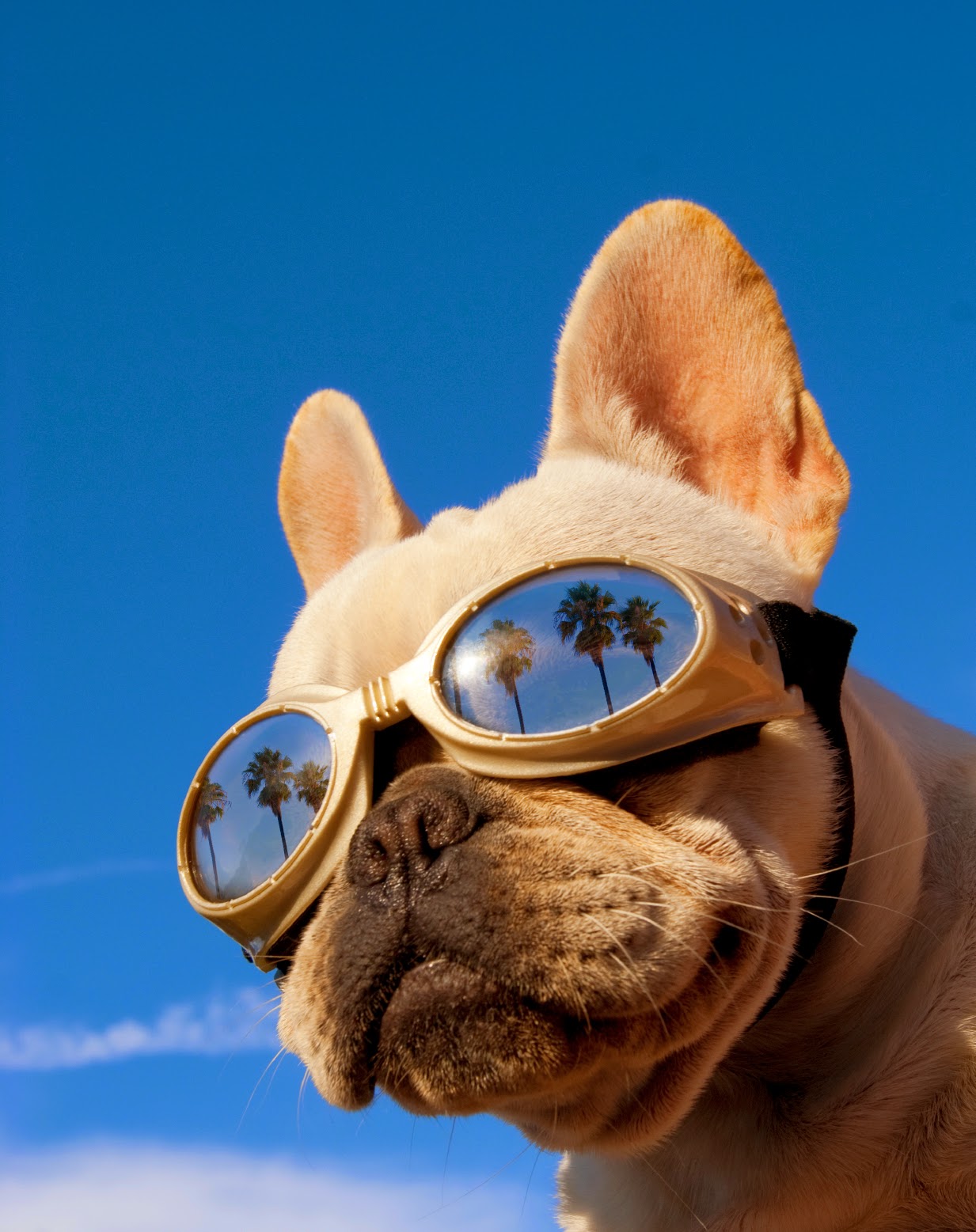
Symptoms of overheating in pets include excessive panting or difficulty breathing, increased heart and respiratory rate, drooling, mild weakness, stupor or even collapse. They can also include seizures, bloody diarrhea and vomit along with an elevated body temperature of over 104 degrees. Animals with flat faces, like Pugs and Persian cats, are more susceptible to heat stroke since they cannot pant as effectively. These pets, along with the elderly, the overweight, and those with heart or lung diseases, should be kept cool in air-conditioned rooms as much as possible. 
No Parking!
Never leave your animals alone in a parked vehicle. "On a hot day, a parked car can become a furnace in no time-even with the windows open-which could lead to fatal heat stroke," says Dr. Louise Murray, Vice President of ASPCA Bergh Memorial Animal Hospital. Also, leaving pets unattended in cars in extreme weather is illegal in several states. 

Make a Safe Splash
Do not leave pets unsupervised around a pool-not all dogs are good swimmers. Introduce your pets to water gradually and make sure they wear flotation devices when on boats. Rinse your dog off after swimming to remove chlorine or salt from his fur, and try to keep your dog from drinking pool water, which contains chlorine and other chemicals that could cause stomach upset. 

Screen Test 
"During warmer months, the ASPCA sees an increase in injured animals as a result of High-Rise Syndrome, which occurs when pets-mostly cats-fall out of windows or doors and are seriously or fatally injured," says Dr. Murray. "Pet owners need to know that this is completely preventable if they take simple precautions." Keep all unscreened windows or doors in your home closed and make sure adjustable screens are tightly secured. 

Summer Style
Feel free to trim longer hair on your dog, but never shave your dog: The layers of dogs' coats protect them from overheating and sunburn. Brushing cats more often than usual can prevent problems caused by excessive heat. And be sure that any sunscreen or insect repellent product you use on your pets is labeled specifically for use on animals.

Street Smarts 
When the temperature is very high, don't let your dog linger on hot asphalt. Being so close the ground, your pooch's body can heat up quickly, and sensitive paw pads can burn. Keep walks during these times to a minimum. 

Avoid Chemicals 
Commonly used flea and tick products, rodenticides (mouse and rat baits), and lawn and garden insecticides can be harmful to cats and dogs if ingested, so keep them out of reach. When walking your dog, steer clear of areas that you suspect have been sprayed with insecticides or other chemicals. Keep citronella candles, oil products and insect coils out of pets' reach as well. Call your veterinarian or the ASPCA Animal Poison Control Center at (888) 426-4435 if you suspect your animal has ingested a poisonous substance. 

Party Animals
Taking Fido to a backyard barbeque or party? Remember that the food and drink offered to guests may be poisonous to pets. Keep alcoholic beverages away from pets, as they can cause intoxication, depression and comas. Similarly, remember that the snacks enjoyed by your human friends should not be a treat for your pet; any change of diet, even for one meal, may give your dog or cat severe digestive ailments. Avoid raisins, grapes, onions, chocolate and products with the sweetener xylitol.

Fireworks Aren't Very Pet-riotic
Please leave pets at home when you head out to Fourth of July celebrations, and never use fireworks around pets. Exposure to lit fireworks can potentially result in severe burns or trauma to curious pets, and even unused fireworks can be hazardous. Many types of fireworks contain potentially toxic substances such as potassium nitrate, copper, chlorates, arsenic and other heavy metals.


Article originally published by the ASPCA.

Wednesday, May 20, 2015

Springtime Pet Safety Tips


Spring has sprung, and with the change of season, our thoughts inevitably turn to Easter celebrations, spring cleaning and much-needed home improvement projects. But the new balmy weather can prove not-so-sunny for curious pets—or their unwitting parents. Before you embark on seasonal chores or outdoor revelry, take inventory of potential springtime hazards for your delicate, furry friend. To help you out, our ASPCA experts have come up with a few seasonal tips that will help prevent mishaps or misfortunes. 

Screen Yourself Many pet parents welcome the breezy days of spring by opening their windows. Unfortunately, they also unknowingly put their pets at risk—especially cats, who are apt to jump or fall through unscreened windows. Be sure to install snug and sturdy screens in all of your windows. If you have adjustable screens, make sure they are tightly wedged into window frames.

Buckle Up! While every pet parent knows dogs love to feel the wind on their furry faces, allowing them to ride in the bed of pick-up trucks or stick their heads out of moving-car windows is dangerous. Flying debris and insects can cause inner ear or eye injuries and lung infections, and abrupt stops or turns can cause major injury, or worse! Pets in cars should always be secured in a crate or wearing a seatbelt harness designed especially for them. 

Spring Cleaning Spring cleaning is a time-honored tradition in many households, but be sure to keep all cleaners and chemicals out of your pets’ way! Almost all commercially sold cleaning products contain chemicals that are harmful to pets. The key to using them safely is to read and follow label directions for proper use and storage.

 Home Improvement 101 Products such as paints, mineral spirits and solvents can be toxic to your pets and cause severe irritation or chemical burns. Carefully read all labels to see if the product is safe to use around your furry friends. Also, be cautious of physical hazards, including nails, staples, insulation, blades and power tools. It may be wise to confine your dog or cat to a designated pet-friendly room during home improvement projects. 

Let Your Garden Grow—With Care Pet parents, take care—fertilizers, insecticides and herbicides keep our plants and lawns healthy and green, but their ingredients aren't meant for four-legged consumption and can be fatal if your pet ingests them. Always store these poisonous products in out-of-the-way places and follow label instructions carefully. Check out our full list of garden care tips. 

Poisonous Plants Time to let your garden grow! But beware, many popular springtime plants—including Easter lilies, rhododendron and azaleas—are highly toxic to pets and can easily prove fatal if eaten. Check out our full list—and pics!—of toxic and non-toxic plants for your home and garden.

Ah-Ah-Achoo! Like their sneezy human counterparts, pets can be allergic to foods, dust, plants and pollens. Allergic reactions in dogs and cats can cause minor sniffling and sneezing as well as life-threatening anaphylactic shock. If you suspect your pet has a springtime allergy, please visit your veterinarian as soon as possible. · 

Pesky Little Critters April showers bring May flowers—and an onslaught of bugs! Make sure your pet is on year-round heartworm preventive medication, as well as a flea and tick control program. Ask your doctor to recommend a plan designed specifically for your pet. · Out and About Warmer weather means more trips to the park, longer walks and more chances for your pet to wander off! Make sure your dog or cat has a microchip for identification and wears a tag imprinted with your home address, cell phone and any other relevant contact information. Canines should wear flat (never choke!) collars, please. 

 Source: https://www.aspca.org/pet-care/springtime-safety-tips


Friday, October 31, 2014

Happy Halloween!

Happy Halloween! 

We are proud to highlight Taffy this Halloween! 


Taffy's owner came home to find the screen in her bathroom broken and Taffy was missing. When she found the kitty, she quickly noticed that Taffy had a big problem. THE CAT'S EYE WAS OUT! 


She rushed Taffy to us, and we assessed the situation. Miraculously, the protruding eye and a deep tongue laceration were Taffy's only injuries. It was better for the cat to have the eye removed, and one of our very talented doctors sutured he tongue back together. We still don't know what happened to Taffy, but she is very happy now and is just a bit more unique. 

Her sweet owner brought us these "Taffy Cookies" to thank us!